Reading practice by topic and difficulty — each with key vocabulary and pronunciation tips.
Topic
Difficulty
Promising or problematic? How to make sense of the controversy over Aduhelm, the first new Alzheimer’s drug in almost 20 years.
Latest figures show just how drastic our rejection of fossil fuels must be in order to remain below 1.5°C of warming.
A quantum machine has been used to invent a smaller, quieter qubit: a glimpse of computers designing their own successors.
The initiative forever altered biomedicine, but work remains to fulfil its true potential. Twenty years on, what did sequencing the human genome really change?
Clive Myrie asks what the media is really for in a democracy — weighing profit against public trust, and contrasting tough UK broadcast impartiality rules with a US media free-for-all that helped fuel public distrust.
As life reopens on a system of advance bookings, a self-confessed disorganised writer mourns the slow death of spontaneity in the modern city.
Why do we crave the touch of others? The answer lies in our evolution, our skin, and a special set of nerves that turn a gentle hug into calm and comfort.
New research finds that girls as young as eight already ask for less than boys when negotiating with a man — a sign that the wage gap begins long before the first job.
The psychologist Steven Pinker argues that, despite the headlines, life is getting better. A writer weighs that data-driven optimism against his own doubts about the future.
As shops reopen, crowds return to a high street transformed by a deeper crisis. The retail crash is less about the pandemic than about decades of economic change.
A warm, comic column about family life after lockdown — teenagers, mornings, and the suspicion that the breakdown in discipline is really the parent's own.
Proof of vaccination could help reopen society, but it raises hard questions about discrimination, privacy, and freedom. The answer lies in careful design, not rigid ideology.
A comet from beyond our solar system drifted alone for hundreds of millions of years before grazing our sun. Its pristine surface revealed just how profound its isolation had been.
Fashion has long been driven by the restless engine of buying more. But a quiet shift toward mending, longevity, and keepsakes suggests that lasting value may be coming back.
A vital vaccine, an extremely rare possible side effect, and an almost impossible communication problem: how do regulators tell the truth without frightening people away?
Autism appears in strikingly varied ways. Truly embracing neurodiversity means valuing autistic people's talents while also supporting those who need the most care.
A review of Nigel Townson's social history of British sport, exploring why sport holds such power over class, gender, identity, and the modern media.
We teach children that hard work always brings success, and that a job is worth having only if it pays well. A closer look shows both ideas are myths worth questioning.
As famous department stores close their doors, we lose more than a place to shop. We lose a physical, shared world that once offered comfort, escape, and a kind of dream space.
The U.S. government spends over $500 billion a year buying goods and services. Using that purchasing power to demand clean products could push whole industries to go green.
Early in the pandemic, France's response looked more competent than America's. In the vaccine race, the picture reversed — a story of strategy, risk, and 'vaccine nationalism'.
Tourism drives economic growth and creates jobs, but mass tourism can damage the environment and disrupt local communities. This article weighs the benefits against the costs.
History is full of miracle 'cure-alls' that never worked. The search for a single wonder drug against Covid repeats an old human wish for a simpler world.
Should advertising to children be banned outright or carefully regulated? This article examines the ethics of marketing to young audiences and the search for a balanced approach.
Genetic evidence suggests an ancient human species, the Denisovans, once lived in Island Southeast Asia — even though their fossils have never been found there.
Animal testing has driven major medical breakthroughs, but modern alternatives raise the question of whether it is still necessary. This article weighs the science and the ethics.
Scientists agree another pandemic is a matter of when, not if. Global surveillance, faster vaccines, and sustained investment in research are the keys to being ready.
Should art be a core subject or a supplement to maths and science? This article explores the value of arts education and the trade-offs schools face with limited time and resources.
Vaccines and medicine are only half the battle. Controlling a pandemic also depends on human behaviour, social inequality, and how well scientists communicate what they know.
Should societies punish or rehabilitate? This article weighs prison against alternatives, examines juvenile justice, and asks whether crime comes from nature or environment.
From food imports and sugar taxes to food waste and family meals, the global food system involves difficult trade-offs between convenience, health, and sustainability.
Planned obsolescence is a business strategy where products are intentionally designed to become outdated or useless after a certain period.
Purchasing power describes how much goods or services a unit of money can buy, and how inflation can reduce the real value of currency over time.
Latin America has a small share of the world's population but a very high share of global homicides, caused by inequality, unemployment, impunity, urbanization, organized crime, drugs, guns, and weak institutions.
Unfettered media consumption can distort our perception of the present and make every year feel worse than it really is.
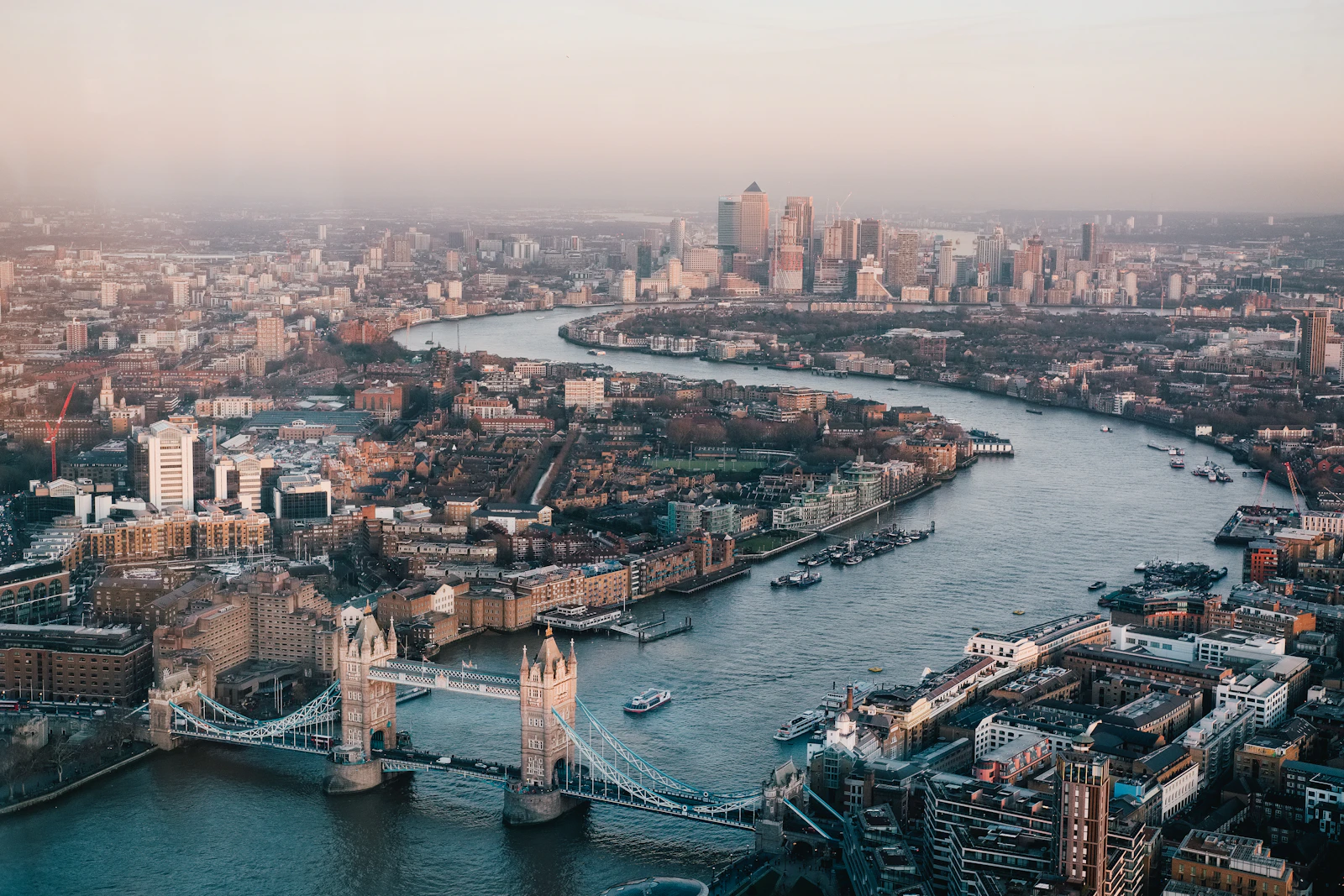
London is the capital city of England and the United Kingdom. It is one of the most famous cities in the world. Millions of tourists visit every year.
William Shakespeare is the most famous writer in the English language. He lived 400 years ago, but people all over the world still read and watch his plays today.
New York is the largest city in the United States. It is one of the most famous cities in the world. Millions of tourists visit every year to see its famous landmarks.
Liverpool is a city in the north-west of England. It is famous for football, music, and its important role in history. It was the home city of the Beatles.
Taylor Swift is one of the most successful musicians in the world. She started her career as a country music singer and became a global pop star. Read about her life and career.
The suffragettes were brave women who fought for the right to vote in the early 20th century. Read about their campaign and why it was so important.
Route 66 is one of the most famous roads in the world. It crosses the United States from Chicago to Los Angeles. Read about its history and why it is so special.
A marathon is a long-distance running race of 42.195 kilometres. Read about the history of the marathon and why millions of people around the world run them today.
The Amazon Rainforest is the largest rainforest on Earth. It covers most of the Amazon River basin in South America. Read about this amazing place and why it is so important.
The Olympic Games are the world's greatest sports competition. Athletes from almost every country come together every four years to compete. Read about the history and traditions of the Olympics.
Fast food may be convenient and cheap, but it can weaken traditional food culture, reduce authentic regional flavours, and create serious health risks.
Food waste harms the climate, wastes water and money, and leaves edible food unused, but smarter labels, smaller portions, food donation, and composting can help solve the problem.
George Gamow created the first serious scientific explanation of how the universe began from an extremely dense point of matter.
G. Stanley Hall viewed adolescence as a powerful stage of human development marked by emotional change, self-consciousness, and growth into adulthood.
Smartphones, covid-19, social media and climate change may all be affecting the mental health of children and young adults.
Education is a key part of a society’s growth and progress.
Many students realize that their high school study habits aren’t very effective in college.
Even the fittest women struggle to regain their physical health after being pregnant.
Whether sweet or hot, peppers pack a nutrition and flavor punch.
After rushing to exit the office, employers need to reassess conditions for remote workers.
Surfaces rarely get a second thought, but a new book explains the fascinating science behind them.
A quantum computer has been used to design an improved quantum bit, or qubit.
Promising or problematic? How to make sense of the controversy over Aduhelm.
The truth about these supplements and inflammation.
Feige Wang studies some of the most distant objects ever observed: quasars.
Ancient sea level rise displaced a group of normally coastal trees.