1spontaneity
nounthe quality of acting on impulse, without planning
“He mourns the loss of spontaneity in city life.”
As life reopens on a system of advance bookings, a self-confessed disorganised writer mourns the slow death of spontaneity in the modern city.
13 July 20264 min read419 words10 key words
A World of Pre-Booked Fun: Spare a Thought for the Disorganised
0% · 4 min left0% · 4 min leftSelect text to highlight or save a word. Click a highlight to remove it.
As lockdown ends and life reopens on a system of advance bookings, one self-confessed disorganised writer feels not liberation but a quiet defeat — a victory for the enemies of spontaneity.
The writer confesses that he feels no excitement about reopening. He has made no plans, and everywhere seems already to be fully booked, which he casts as a crushing triumph for his ideological enemies: the highly organised go-getters with stable incomes and orderly lives who have the foresight to plan things in advance. His own brain, he jokes, simply does not work that way — he once spent an entire year of university with a broken front tooth because he could never get around to booking a dentist, then broke the repaired tooth again within minutes on a sweet.
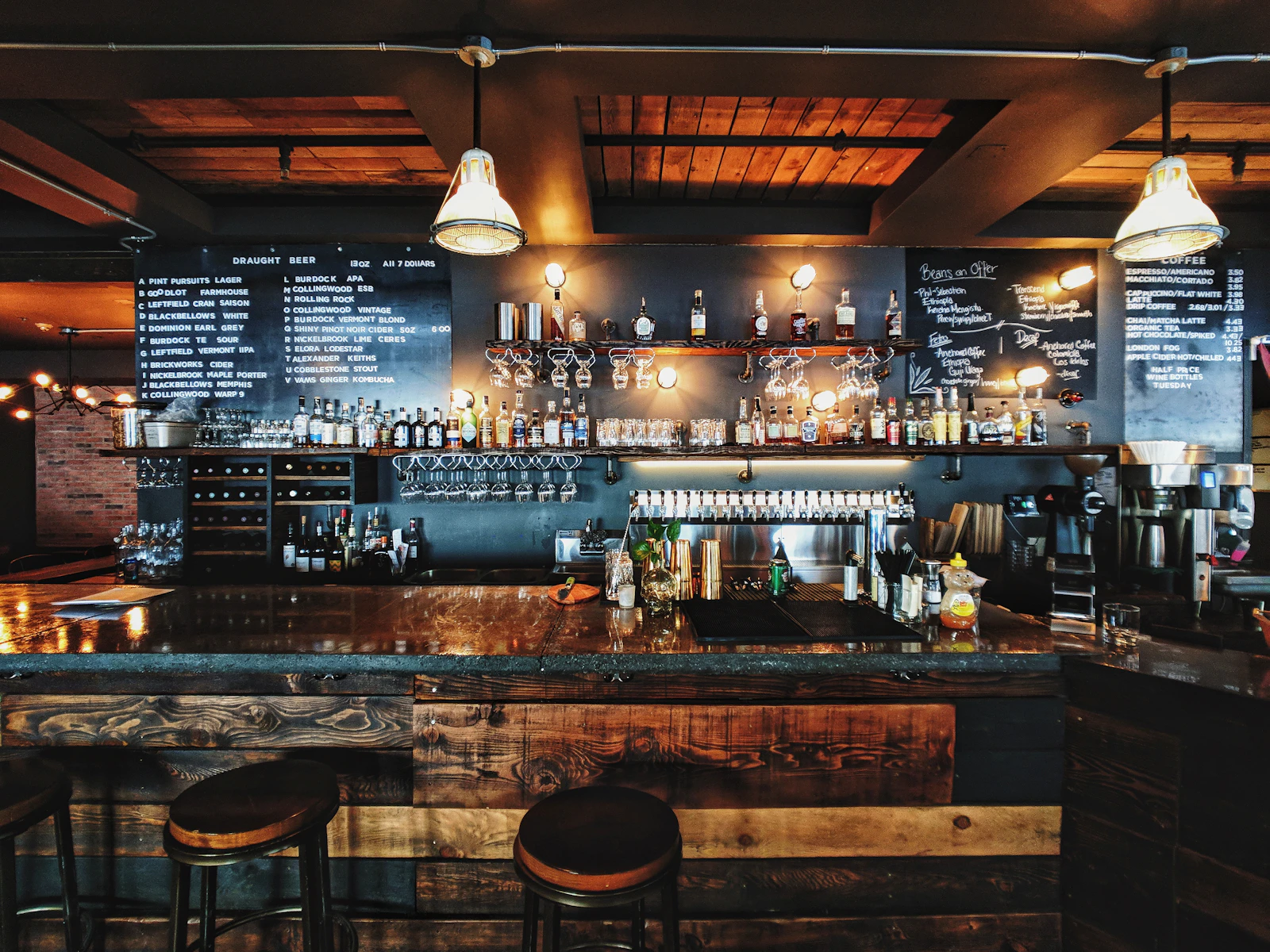
Beyond the comic resentment lies a real worry: the slow death of spontaneity. Deciding on impulse to duck into a pub for a solo pint used to be an act of carefree whimsy. Once you must book a table, drinking alone begins to feel deliberate and even faintly shameful, and having to ask for "a table for one" comes to feel like an affront to human dignity. Spontaneity, he argues, is a large part of what makes going out pleasurable in the first place — the freedom to head into the city at night and be surprised by where you end up.
He fears the shift is not temporary. For as long as he has lived in the city, it has become steadily harder to do anything without planning ahead, as spontaneous nightlife gives way to monthly or quarterly events in ever more distant, peripheral places. Amid widespread venue closures, a more organised and, he suggests, infantilising culture has emerged — axe-throwing, escape rooms, themed brunches — the commodified "experience" model of socialising, made up of events you generally cannot simply wander into.
Perhaps, he hopes, some venues will still cater to the wanderers, keeping a few tables free for walk-ins while others commit fully to becoming quasi-restaurants. At some point, he trusts, a degree of spontaneity will return to city life, and people who like the pub will go to the pub while those who prefer something else go elsewhere. Until then, for anyone who likes to be surprised by where the night takes them, lockdown will not really feel over.
Based on an opinion column originally published by The Guardian.
Word bank
the quality of acting on impulse, without planning
“He mourns the loss of spontaneity in city life.”
the ability to predict and prepare for future needs
“Advance bookers have the foresight to plan ahead.”
playful, spontaneous, or fanciful behaviour
“Ducking into a pub used to be an act of carefree whimsy.”
an action or remark that insults someone's dignity
“Asking for a table for one felt like an affront to dignity.”
strong dislike or hostility
“He feels a comic animosity toward the organised.”
turned into something to be bought and sold
“Nightlife has become a commodified 'experience'.”
treating adults as if they were children
“He describes an infantilising culture of themed events.”
located on the edge or outer part of something
“Events moved to ever more peripheral places.”
lively and noisy celebration
“The journey between bars was part of the revelry.”
unpleasant, dirty, or of poor quality (informal British English)
“He prefers grotty, spontaneous nights out.”
Read aloud
/spon-tuh-NAY-uh-tee/
Syllables: spon-ta-ne-i-ty
💡 Stress NAY.
/FOR-syt/
Syllables: fore-sight
💡 Stress FOR.
/uh-FRUNT/
Syllables: af-front
💡 Stress FRUNT.
/an-i-MOS-uh-tee/
Syllables: an-i-mos-i-ty
💡 Stress MOS.
/puh-RIF-uh-rul/
Syllables: pe-riph-er-al
💡 Stress RIF.